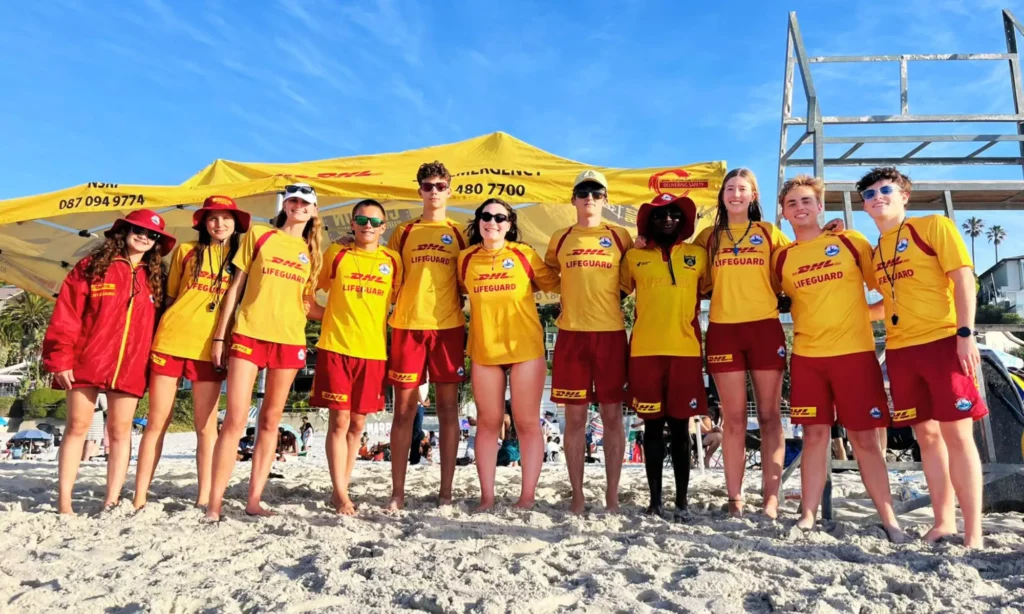
Clifton Surf Lifesaving Club Launches “BeachSafe Tracker” to Measure Impact in Drowning Prevention
Clifton, Cape Town – Clifton Surf Lifesaving Club is proud to announce the launch of its innovative “BeachSafe Tracker,” a first-of-its-kind system in Africa designed to capture and quantify the life-saving work performed by volunteer lifeguards beyond the number of rescues.
While rescues are often seen as the ultimate measure of success, the reality is that the most meaningful work done by lifeguards is often unseen. Every warning given, every conversation held, and every risky situation diffused represents a potential emergency that never unfolds. These moments don’t make headlines or statistics, but they are the difference between a safe day at the beach and a tragedy.
“Our lifeguards have taken on this new initiative with appreciation, as we now have a mechanism to truly measure their impact on the safety of our beaches,” said Paul Lassen, Patrol Captain. “As this initiative is currently in its infancy, we are manually tallying these preventative actions throughout the day and collating them at the end of our patrol shift. Ideally, we would like to digitalise this approach in the future and expand what the most important actions to measure are.”
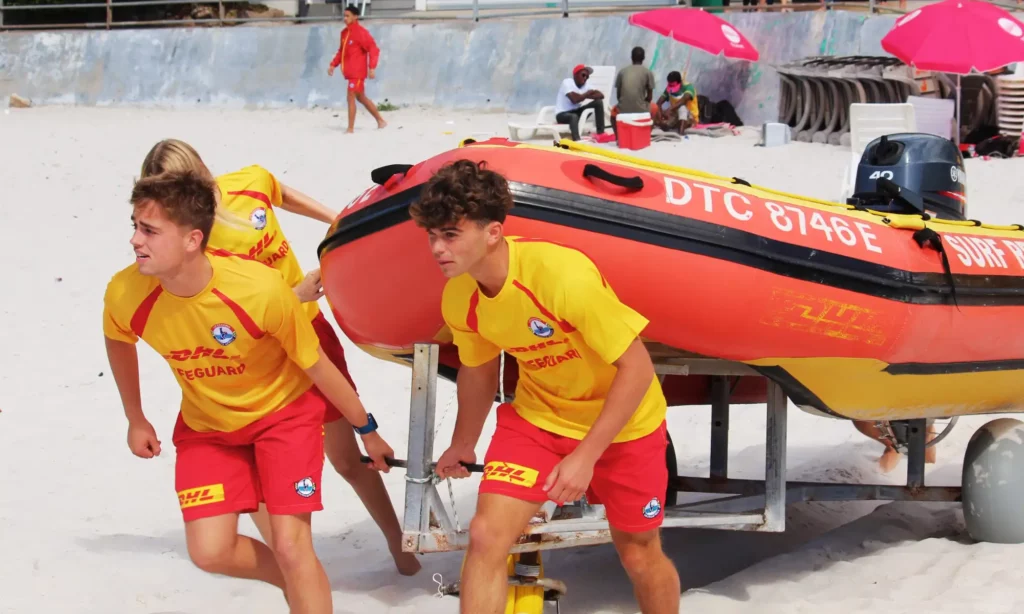
During its first trial month in February, Clifton lifeguards recorded 156 preventative actions, summarised as follows:
- Public Education & Engagement (38 actions): Safety briefings, explanations of patrol flags and signage, rip current warnings, alcohol-risk education, and hazard awareness guidance.
- Water & Hazard Monitoring (29 actions): Identification of rip currents, monitoring swell and tides, early intervention with swimmers showing risk signs, rock hazard control, and area closures.
- Behavioural Interventions (37 actions): Stopping risky behaviour such as rock or cliff jumping (14 actions), moving swimmers into patrolled areas (14 actions), and preventing unsafe swimming or alcohol-related incidents.
- Signage & Communication (31 actions): Safety sign checks, updates, and use of whistles or verbal warnings for compliance.
- Supervision & Presence (12 actions): Advising at-risk swimmers and promoting child supervision.
- Environmental & General Safety (9 actions): Clearing debris, encouraging hydration and sun protection, and stopping unsafe play near hazards.
“When we started this initiative, we expected that the highest tally would be the lifeguards advising beachgoers not to swim in certain areas, not to jump off rocks, or to swim between the flags,” said Lassen. “Interestingly, it was the public education and engagement category that was most tallied, followed closely by behavioural interventions. This shows the huge effort our lifeguards put into not just conducting rescues, administering first aid, and preventing incidents, but also educating the public.”
The BeachSafe Tracker captures these critical preventative actions, helping the club track trends, identify opportunities for further education, and demonstrate the real value of volunteer patrols in keeping the public safe. Inspired by volunteer patrol initiatives in Australia, Clifton Surf Lifesaving Club is leading the way in Africa with a structured, data-driven approach to preventative lifesaving measures.
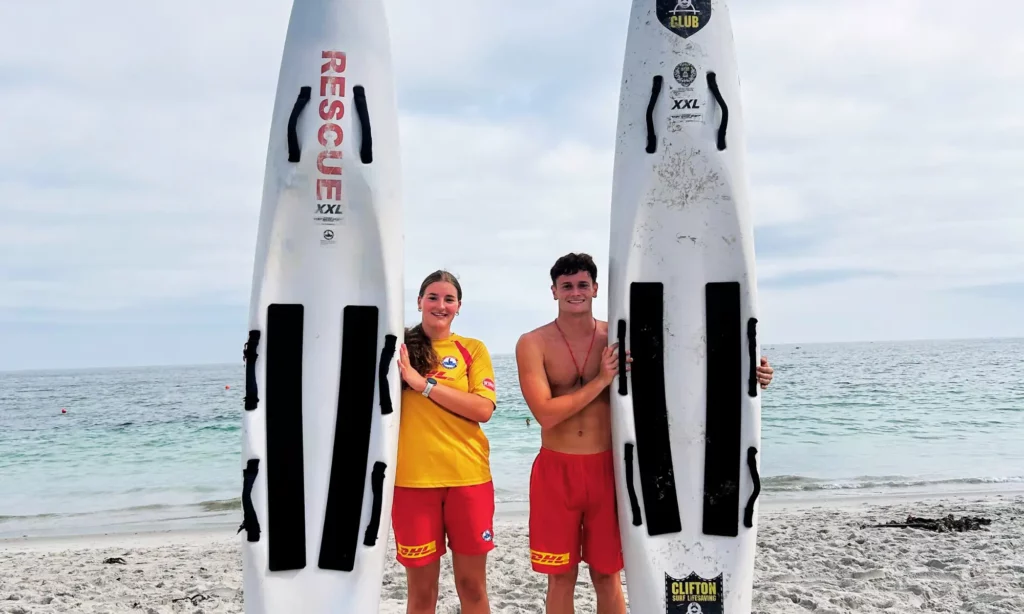
“Now that we are collecting this data, we can start to share it with our lifeguards so they are aware of what it really means to be a lifeguard,” Lassen explained. “It’s not all just ‘Baywatch’ – it comes with a lot of public engagement, education, and communication, all leading to incidents being prevented. It has also highlighted how crucial signage and flags are to drowning prevention. Training and public messaging can now be focused on areas that have the most impact in keeping people safe.”
Clifton Surf Lifesaving Club plans to continue using the BeachSafe Tracker to report on its services, inform training, and enhance community engagement on beach safety. Because at its core, drowning prevention is about moments that never happen—and lives that quietly continue because someone was watching.